

The evolution of trading platforms in India has been noteworthy, influenced significantly by technological advancements and regulatory developments. From their modest beginnings to the advanced systems currently in place, this journey has been marked by critical milestones that have fundamentally transformed the way investors interact with the market. This discussion will provide an overview of the current landscape of trading platforms, identify key players, and explore emerging trends, while also projecting potential developments in this dynamic sector through the year 2025. This analysis aims to provide a comprehensive understanding of the past, present, and anticipated future of trading in India.
History of Trading Platforms in India
The history of trading platforms in India demonstrates a significant evolution over the decades, fundamentally reshaping the financial technology (FinTech) and stock trading landscape.
Key milestones include the emergence of online brokerage services, the proliferation of mobile trading applications, and the introduction of trading algorithms. These developments have been instrumental in enhancing market accessibility for diverse user demographics, resulting in increased trading volumes and the democratisation of investment strategies throughout the nation.
As one examines this historical progression, it is essential to acknowledge how regulatory changes and technological advancements have influenced the development and adoption of trading platforms in India, thereby establishing a foundation for future innovations, including digital transformation and enhanced user experience.
Early Beginnings and Major Milestones
The origins of trading platforms in India can be traced back to the establishment of traditional stock exchanges, which served as the foundation for the subsequent fintech revolution.
These exchanges created a structured environment for the buying and selling of securities; however, the processes were often slow and cumbersome, limiting accessibility for many investors. The transition to digital platforms represented a significant turning point in this landscape, as rapid advancements in technology facilitated a seamless trading experience, aided by intuitive user interfaces and enhanced security features.
With the shift towards online platforms, traders gained real-time access to market trends, sophisticated analytical tools, and user-friendly interfaces that significantly enhanced their overall trading experience. Moreover, the introduction of payment gateways and digital wallets has streamlined transactions, further empowering traders.
This transformation not only democratized investment opportunities for the general populace but also encouraged a more competitive market environment, ultimately reshaping investment strategies and driving the growth of wealth management services in an increasingly technology-oriented society.
Current State of Trading Platforms in India
As of 2023, the landscape of trading platforms in India is characterised by a dynamic array of key players within the fintech sector, encompassing both established institutions and innovative technology start-ups, all competing for market share in an increasingly competitive environment. Strategic partnerships and collaborations are shaping the market trends as well.
The emergence of cryptocurrency trading has further diversified the offerings available to investors, presenting both new opportunities and challenges within the market. Cryptocurrency regulations are also evolving to keep pace with these changes, ensuring a secure trading environment.
Furthermore, the ongoing shift in user preferences towards mobile-first platforms and intuitive interfaces highlights a significant trend towards improved user experience and accessibility. Mobile payment solutions have also become integral to facilitating seamless transactions.
This evolving ecosystem is also influenced by regulatory compliance and a strong focus on security, which together contribute to a robust trading environment.
Key Players and Market Trends
In the current trading ecosystem of India, significant players, including established online brokerages, fintech startups, and innovative mobile trading applications, are actively shaping market trends and redefining user engagement through features such as social trading, algorithmic trading, and robo-advisors.
These entities are not mere participants in the market; they are fundamentally transforming how individuals approach trading by integrating community-driven strategies with advanced technology.
By providing functionalities such as copy trading, trading signals, and real-time analytics, they enable users to make informed decisions while promoting a sense of community among traders.
This shift towards democratizing financial knowledge enables novice traders to leverage insights from experienced investors, effectively bridging the gap in expertise.
As these platforms continue to evolve, the focus on user experience and interaction is likely to drive even greater adoption of social trading, representing a pivotal moment in the fintech landscape.
Technological Advancements in Trading Platforms
Technological advancements have played a crucial role in the transformation of trading platforms, significantly improving user experience through innovations such as mobile optimisation, cloud computing, and the incorporation of algorithmic trading capabilities. API integration and behavioral finance tools also enhance the trading experience.
These developments streamline the trading process and enhance transaction speed and efficiency. Additionally, the introduction of blockchain technology has revolutionised transaction transparency and security, thereby fostering increased trust among market participants. Digital assets and virtual reality trading are also emerging as innovative trends.
As technology continues to advance, trading platforms are progressively integrating artificial intelligence and machine learning for data analytics, which further refines trading strategies and enhances risk management protocols.
Impact on User Experience and Efficiency
The impact of technological advancements on user experience in trading platforms is significant, characterised by intuitive interfaces and personalised trading options that greatly enhance efficiency and user engagement.
As these innovations continue to develop, they not only streamline the trading process but also enable users by providing essential performance metrics that improve decision-making.
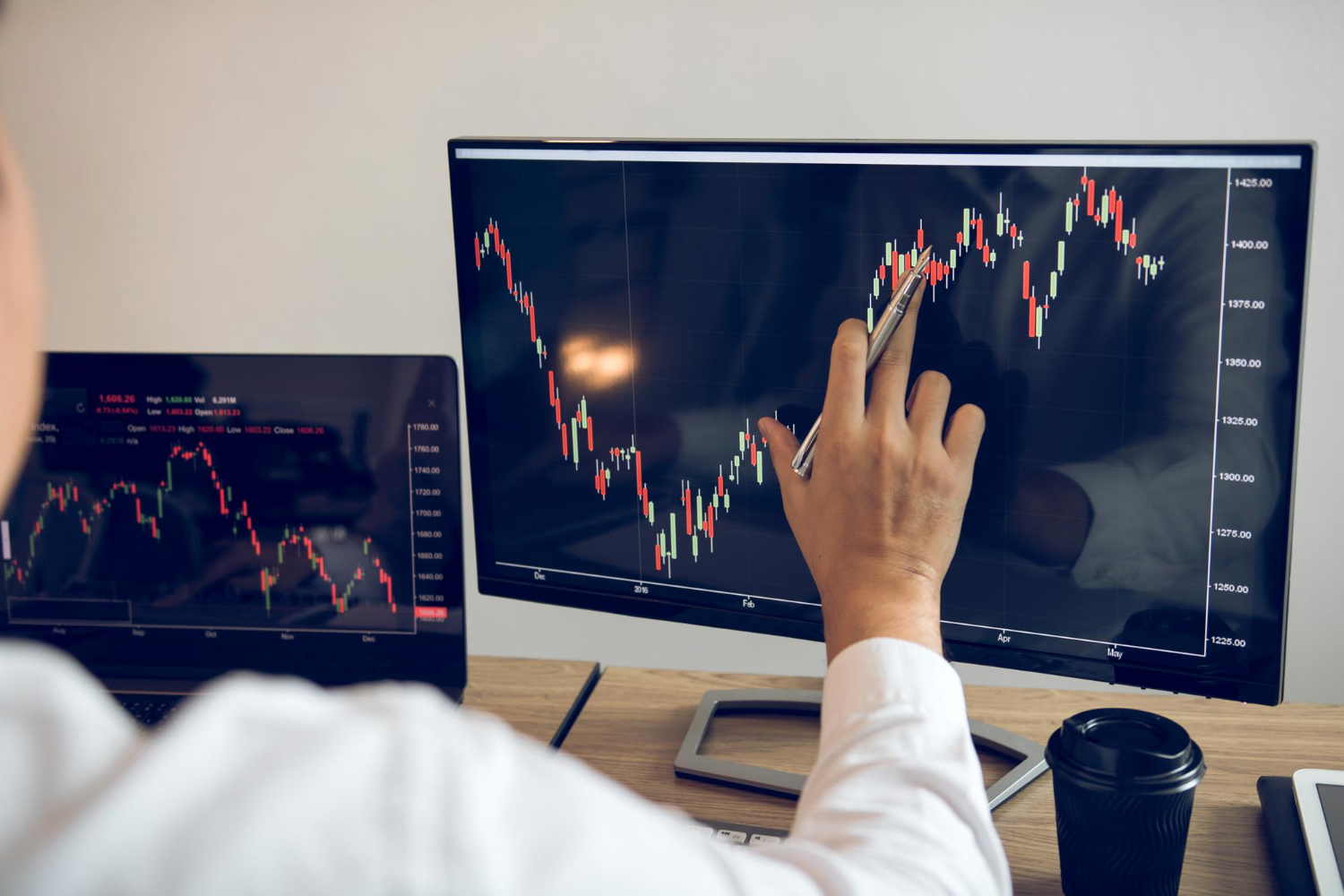
For instance, the integration of real-time data visualisation enables traders to more effectively monitor market trends and perform comprehensive market research.
User feedback is instrumental in shaping these platforms, as developers refine features based on direct insights from the trading community. Financial literacy and investment education also play crucial roles in fostering knowledgeable and engaged users.
Ultimately, this approach ensures that the platforms remain user-centric, fostering continuous improvement and creating a more engaging trading environment.
Regulatory Changes and Future Outlook
Regulatory changes in India have played a pivotal role in shaping the landscape of trading platforms, impacting aspects such as compliance requirements and market accessibility for a wider array of investors, including those engaged in peer-to-peer trading and cryptocurrency markets. Trading regulations and economic policies continue to evolve to address these developments.
As the regulatory framework continues to evolve, it is anticipated to address the emerging challenges presented by new technologies and market dynamics, while also aiming to enhance financial inclusion and protect investors.
The future outlook for trading platforms appears favourable, supported by technological innovations and a responsive regulatory environment that fosters entrepreneurship and competition. Enhanced customer support and focusing on user retention will also be key to sustained growth.
Expected Developments and Challenges
Expected developments within trading platforms in India include a variety of advancements designed to address the challenges associated with market volatility, investment risk, and fluctuating investor sentiment. These developments will incorporate cutting-edge technologies such as big data, artificial intelligence, and AI-driven trading to enhance trading strategies and decision-making processes.
These innovations are anticipated to provide more personalised trading experiences, enabling users to navigate the complexities of financial markets more effectively. As traders increasingly depend on algorithmic trading and predictive analytics, emerging technologies will be instrumental in establishing effective risk management frameworks that can adapt to the dynamic nature of market trends. Personalized investment platforms will cater to individual needs.
In conjunction with these advancements, potential challenges may emerge, including cybersecurity threats and the necessity for regulatory compliance. To maintain competitiveness, trading platforms must continuously evolve, leveraging technological advancements alongside sound investment practices to mitigate risks while catering to a diverse clientele. Sustainable investing and addressing gender representation in finance are also important focuses.
What to Expect in 2025
As we approach 2025, the expectations for trading platforms in India are notably ambitious. Advancements in financial technology and global trading practices are expected to result in enhanced liquidity, reduced transaction costs, and an improved user experience across various platforms. Trading apps and interactive brokers will play significant roles.
This includes the integration of automated trading systems and robo-advisors tailored to accommodate diverse investor profiles. By leveraging emerging technologies such as machine learning and cloud computing, trading platforms are poised to provide personalised trading insights and robust customer support, thereby significantly transforming the investment landscape. Economic growth and global investments will further fuel this transformation.
Predictions for the Future of Trading Platforms in India
Predictions regarding the future of trading platform in India indicate a landscape that will be significantly shaped by increased technology adoption, particularly in areas such as algorithm design, data security, trading tools, and trading psychology that address the evolving needs of investors.
As these platforms integrate advanced artificial intelligence and machine learning technologies, users can anticipate the development of more personalised investment strategies that are aligned with their individual risk appetites and financial objectives. Market forecasting and user trust will be crucial components of these strategies.
The emphasis on regulatory compliance will play a critical role in the design of these platforms, ensuring that they not only offer state-of-the-art tools but also comply with the changing legal frameworks. Peer-to-peer trading and leveraged trading will also be areas of focus.
Furthermore, user engagement is expected to rise as trading platforms become more intuitive and interactive, incorporating features such as real-time analytics, social trading options, and advanced trading algorithms, leading to enhanced user experience.
The integration of financial technology (FinTech) will not only enhance the trading experience but also contribute to fostering a more informed and active investment community. This includes the adoption of blockchain technology, the use of robo-advisors, and the implementation of AI-driven trading strategies.
Related Posts

What Does a Humidity Control Unit Consist Of?
A humidity control unit (Humidity Control Unit) is a device…

Things You May Not Know About Cataracts
Cataracts are a condition that no one wants to experience…
Forex Broker Account Types in Ghana Explained: Which One Suits You?
Navigating the dynamic world of Forex trading in Ghana requires…